
Seaton Rendering and External Wall Insulation (EWI) is an essential component of any building, providing insulation and protection from the elements. Lime rendering and silicone rendering are two popular methods used in the process of EWI. Here we explain the benefits and differences between lime rendering and silicone rendering for external wall insulation.
Professional External Wall Insulation (EWI) in Seaton is a building insulation method where a layer of insulation material is fixed to the external walls of a building to improve its energy efficiency and thermal performance. EWI helps to prevent heat loss and can help reduce energy bills by keeping the building warmer in the winter and cooler in the summer. This process not only improves the comfort of the building's occupants but also contributes to reducing carbon emissions and environmental impact. Additionally, External Wall Insulation can enhance the appearance of a building and increase its overall value.
Lime rendering is a traditional building material used as a protective and decorative coating for walls, both interior and exterior. It's made from a mixture of lime, sand, and water, and is known for its breathability and ability to allow moisture to escape, preventing dampness. Lime render is known for its durability and sustainability, making it a popular choice in Seaton for historic and environmentally conscious projects.
Silicone rendering is a type of external wall finish that provides a durable and weather-resistant coating for buildings. It is a popular choice due to its flexibility, breathability, and ability to resist cracking and fading over time. The process involves applying multiple layers of silicone-based render to the exterior walls, creating a smooth and sleek finish that enhances the aesthetic appeal of the property in Seaton.
Lime rendering is a traditional method that has been used for centuries in construction. It offers a range of benefits for external wall insulation, including:
Silicone rendering is a more modern alternative to lime rendering, offering a range of benefits for external wall insulation, including:
When it comes to choosing between lime rendering and silicone rendering for external wall insulation, there are several factors to consider. Climate: If you live in an area with high humidity or heavy rainfall, silicone rendering may be the best choice for its waterproofing properties. Aesthetics: If you prefer a textured finish with a more traditional look, lime rendering may be the right option for you. Budget: Consider your budget and the long-term maintenance costs of each rendering option before making a decision.
Both lime rendering and silicone rendering offer unique benefits for external wall insulation. The choice between the two will depend on your specific needs and preferences. Consult with a professional contractor to determine the best option for your building.
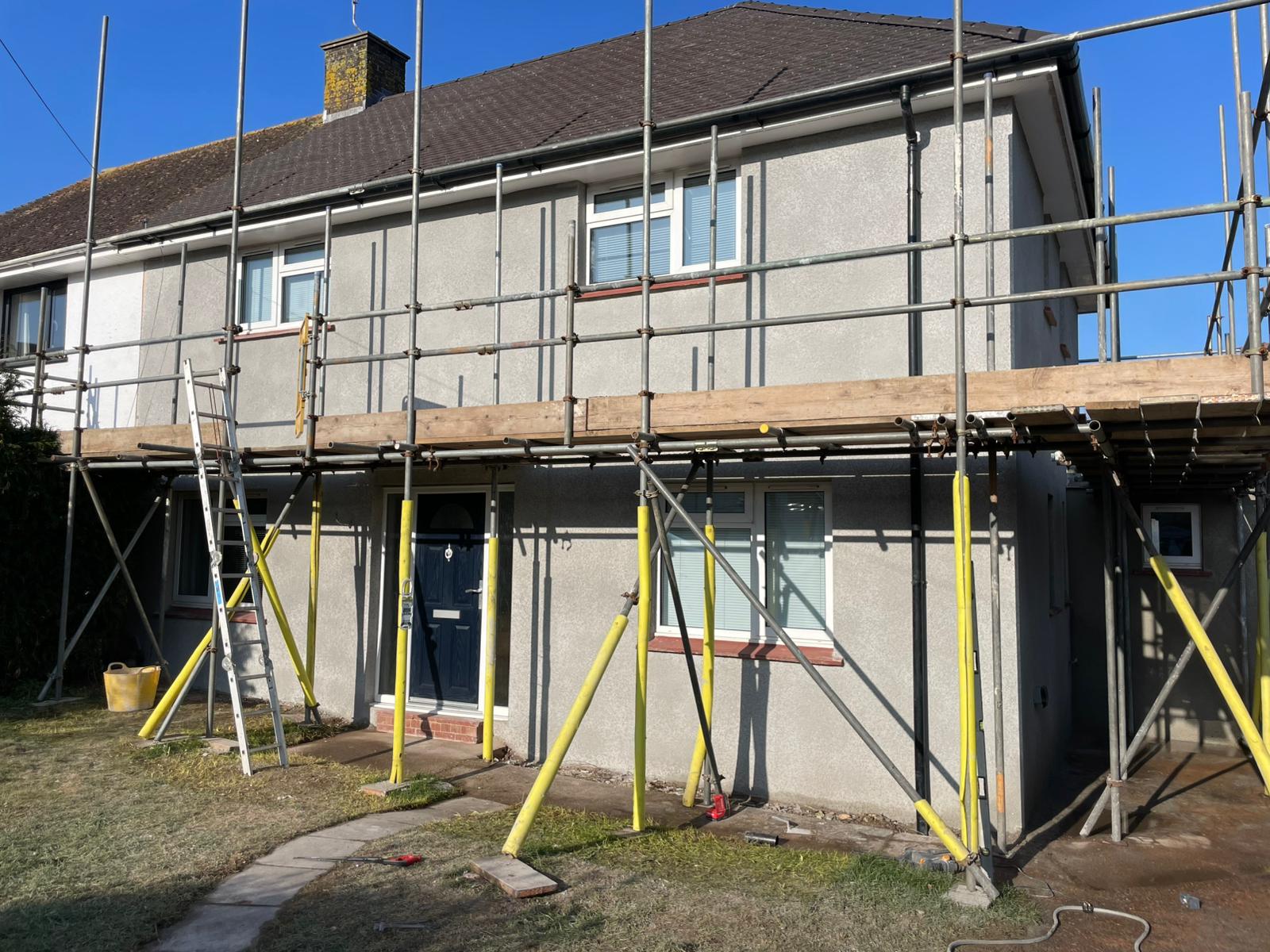
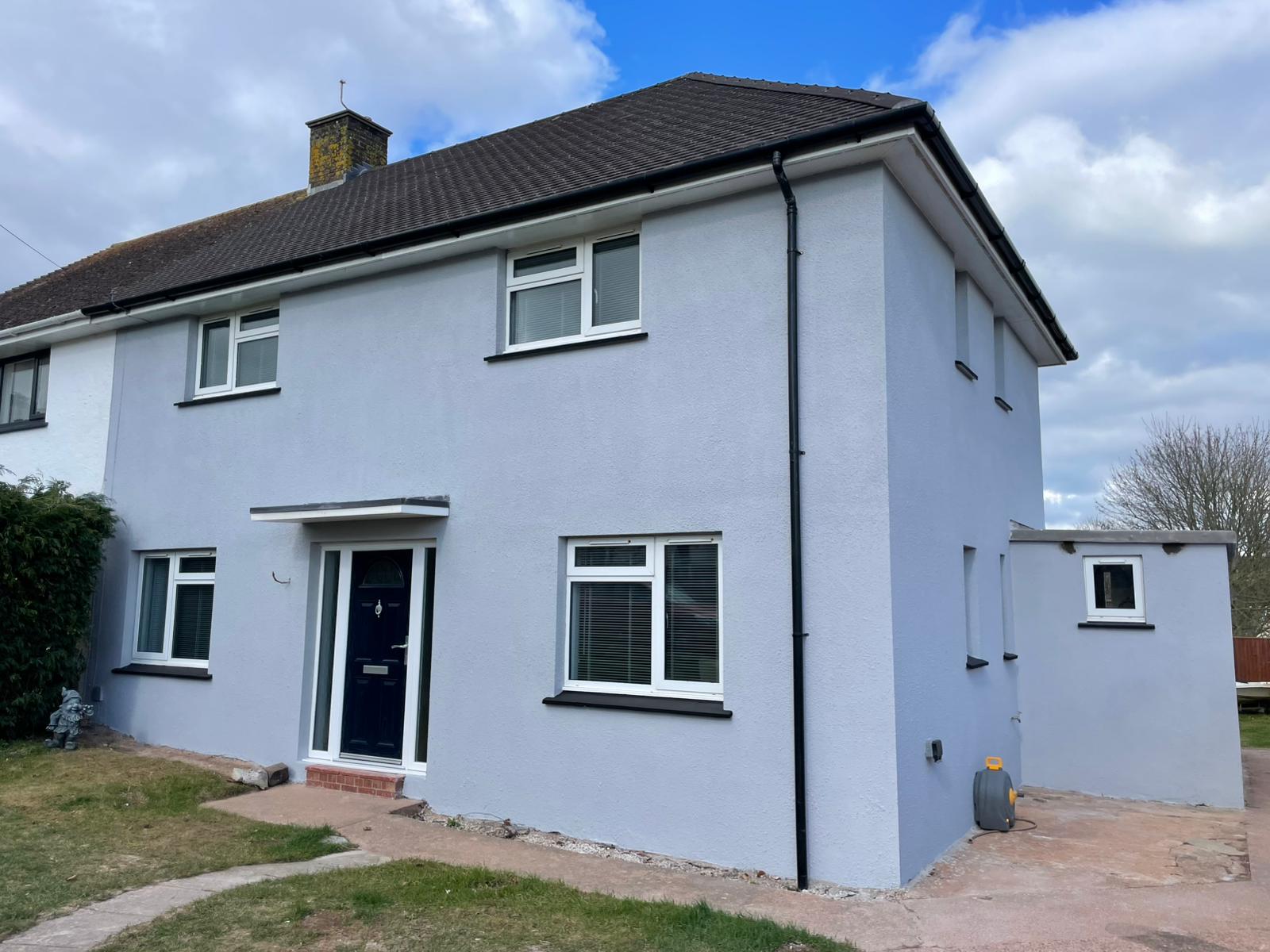
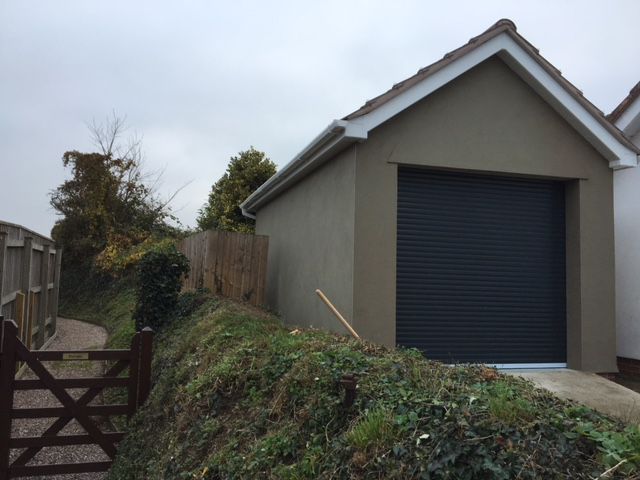
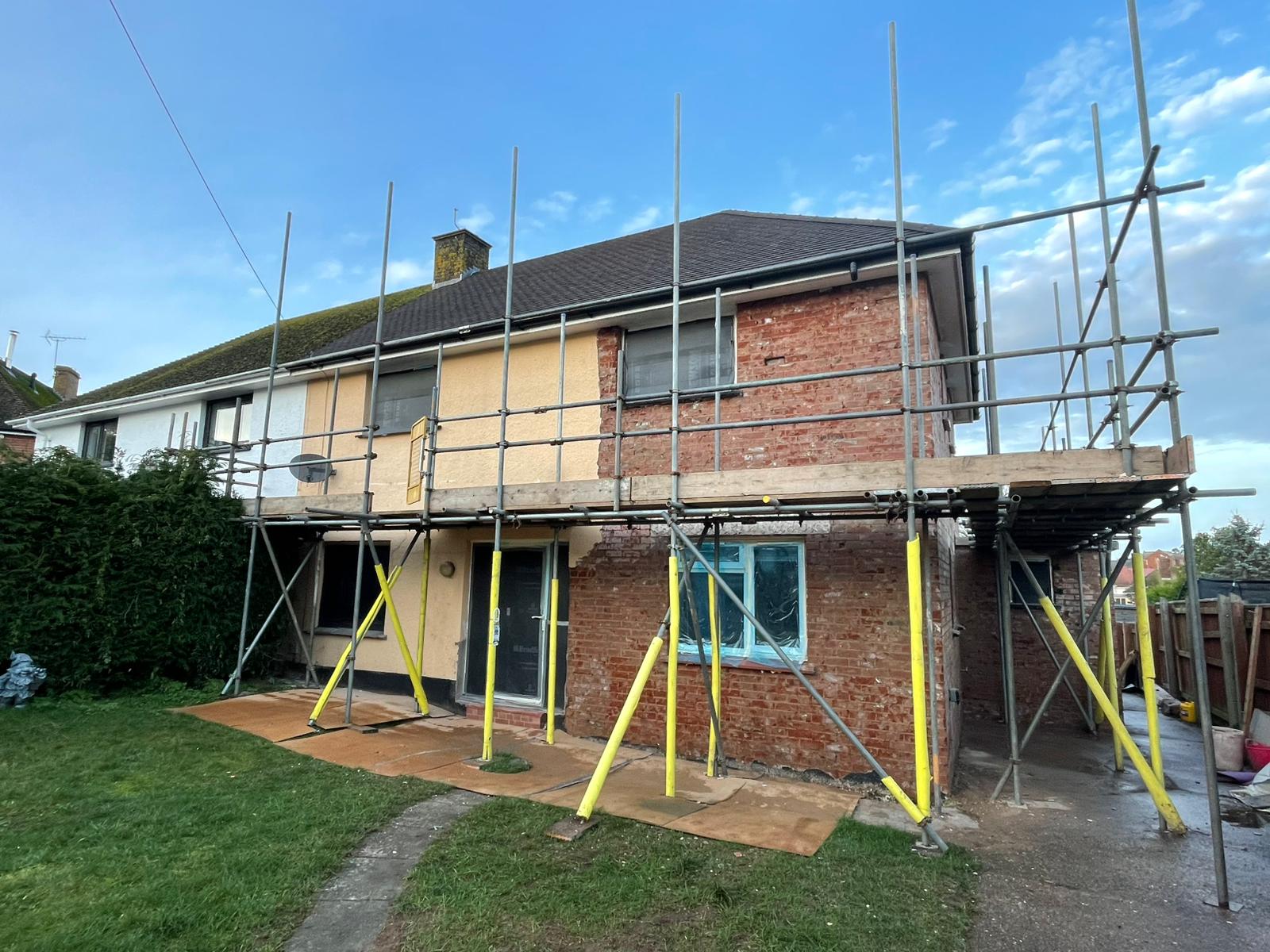
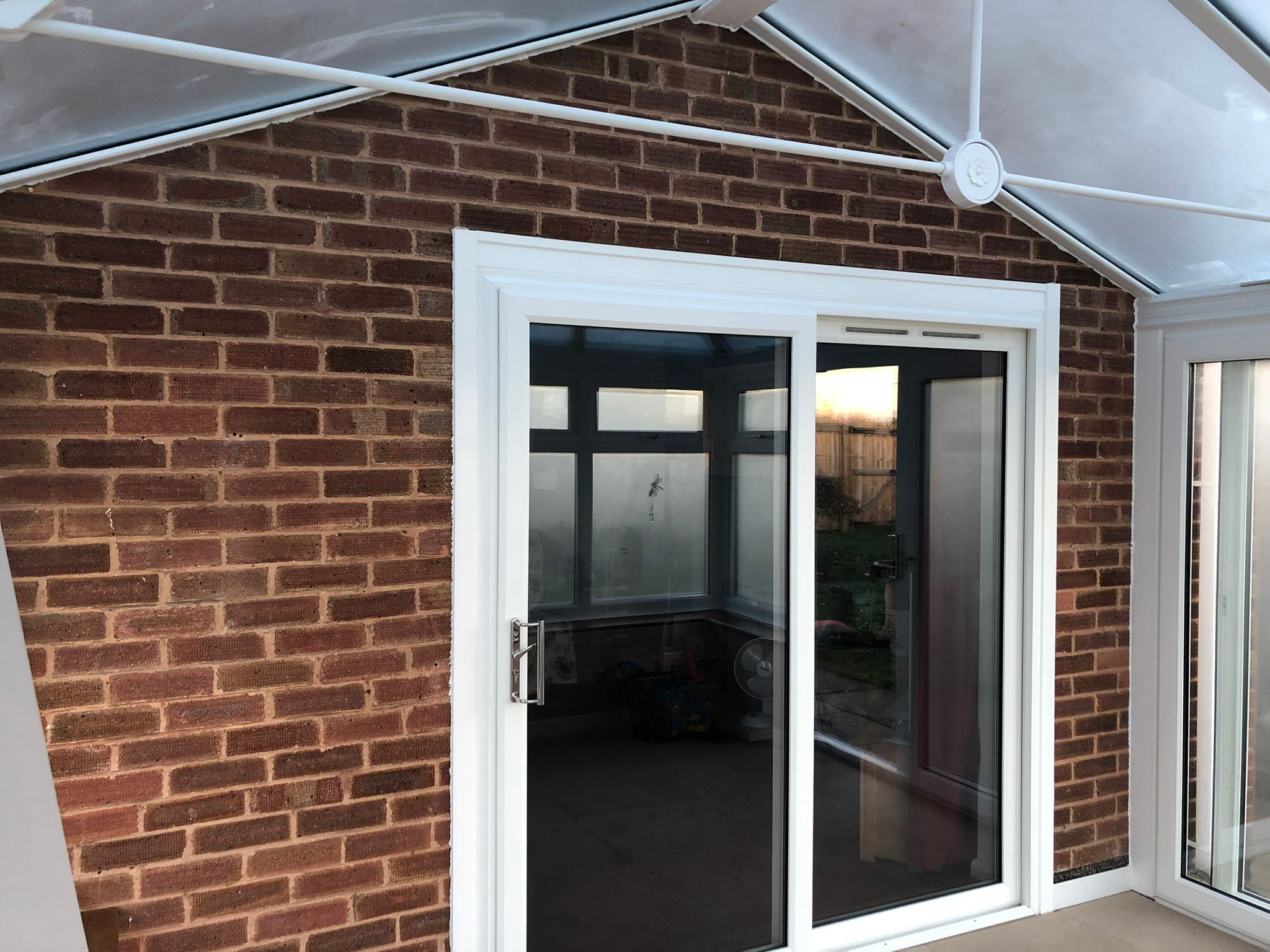
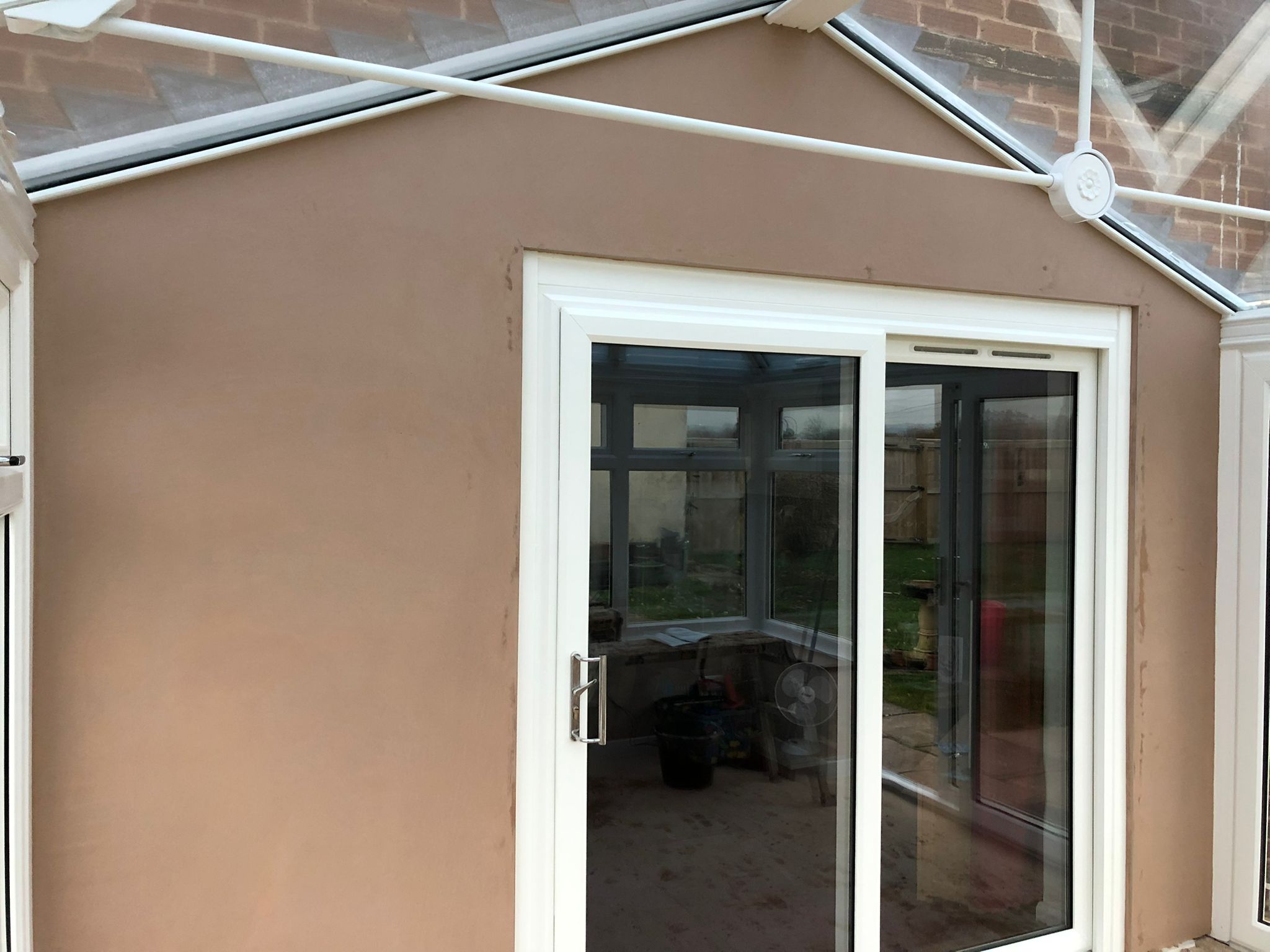
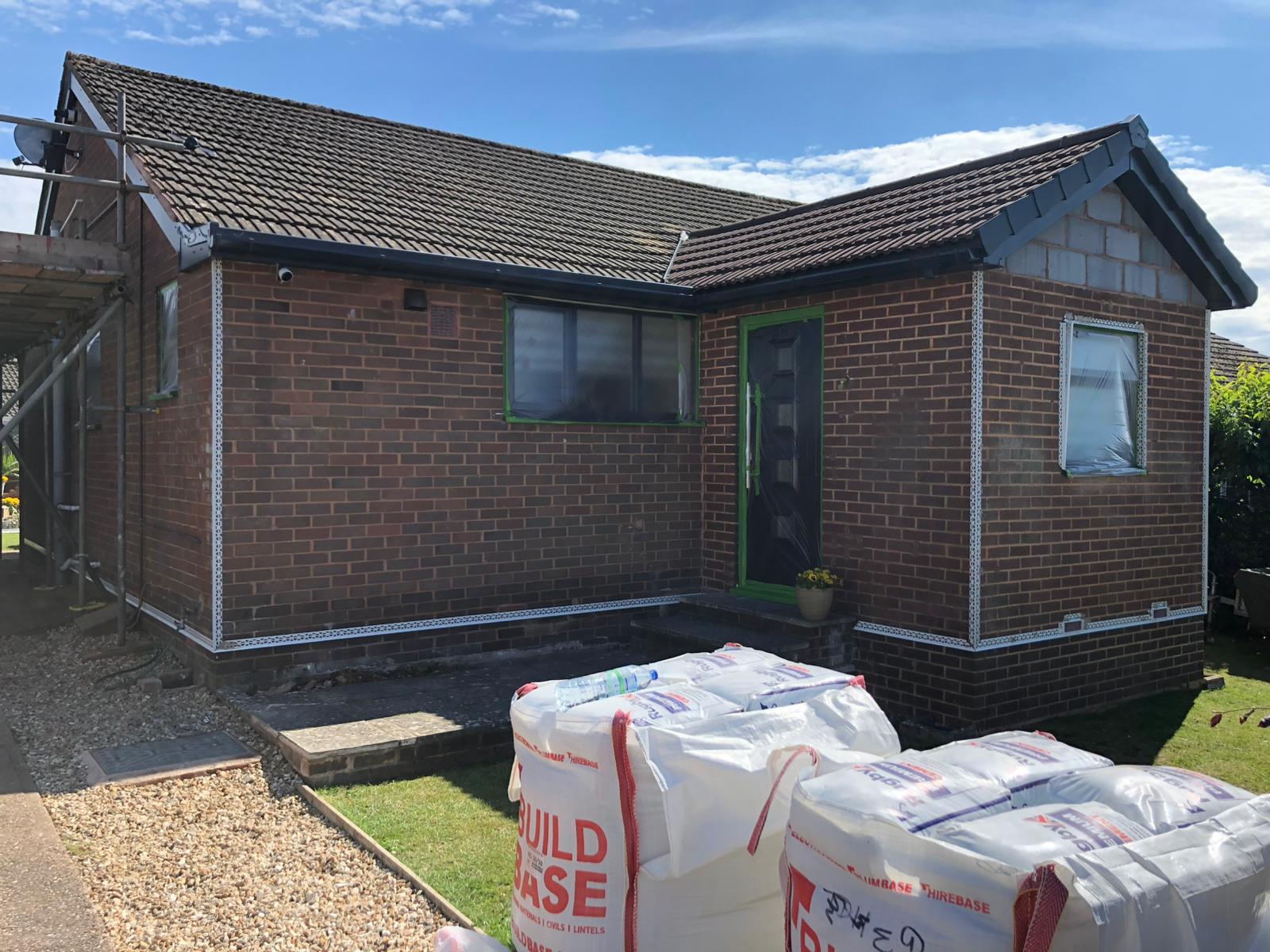
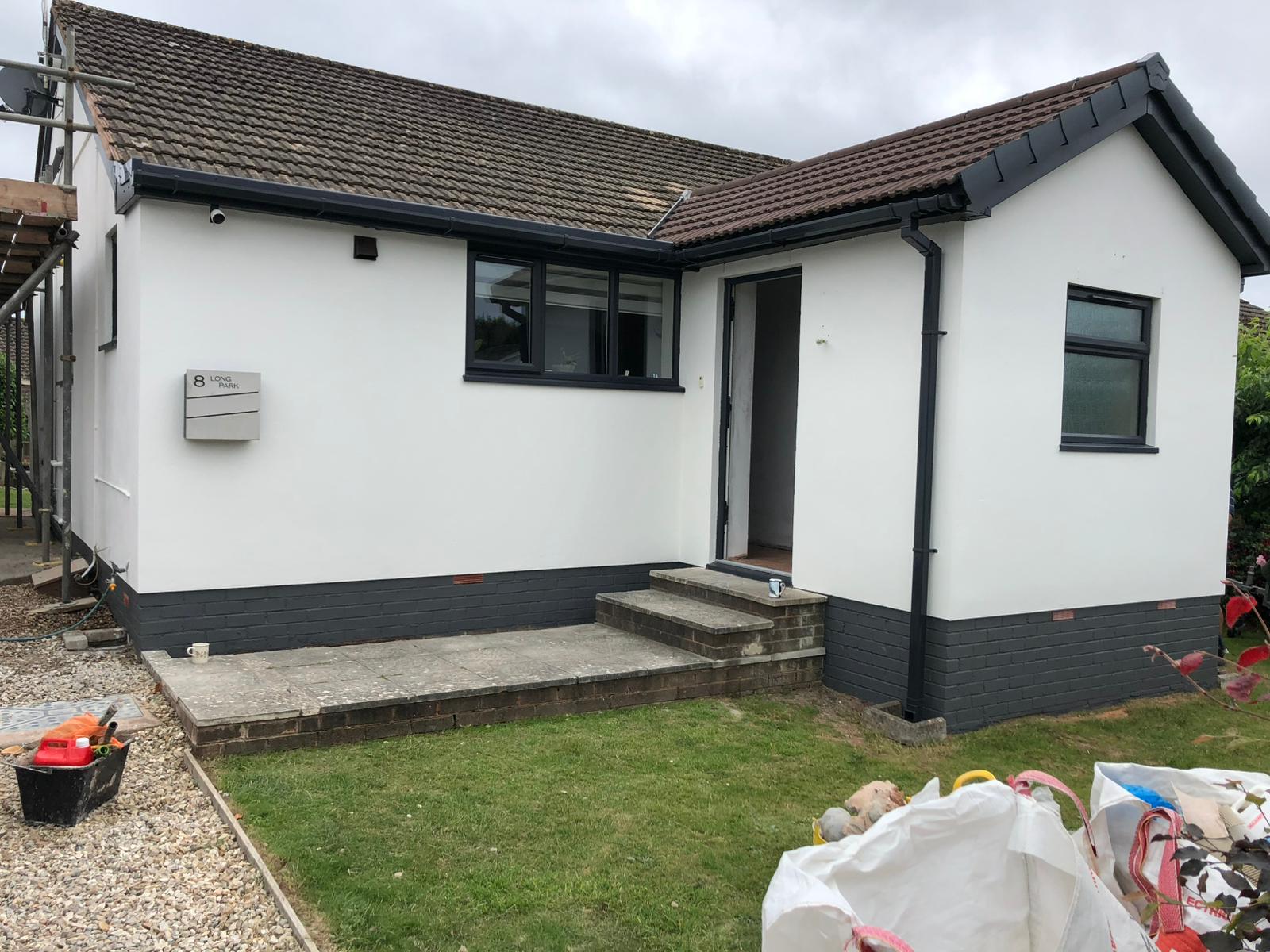
Some of our rendering projects before and after images.
Our service area in Seaton covers all types of domestic and commercial properties.
Professional Resurfacing Specialists
Local Authority Approved